





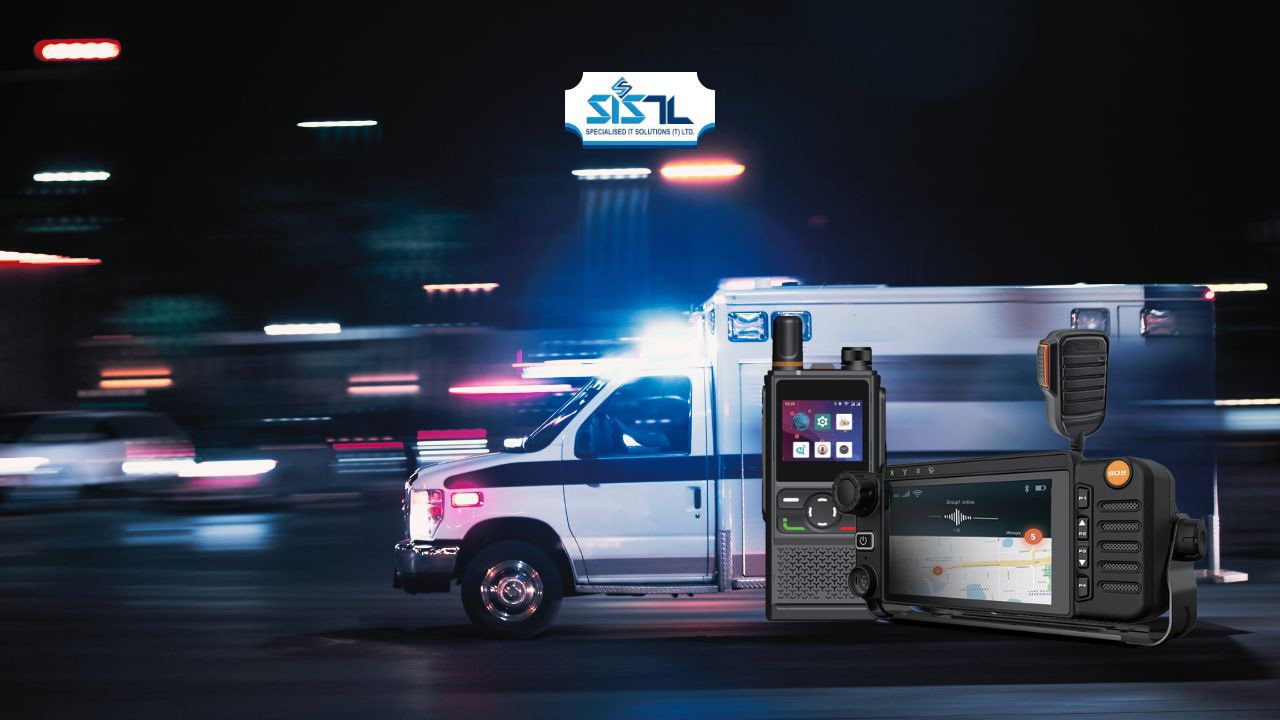
Enhance Healthcare Response Times via Push-to-Talk Tech
In the fast-paced, high-stakes environment of healthcare, every second counts. The difference between a timely intervention and a delayed response can be a matter of life or death. While mode hospitals and medical facilities have embraced a wealth of advanced technologies, from electronic health records (EHR) to AI-powered diagnostics, a critical component of daily operations often remains stuck in the past: communication.
Traditional communication methods - paging systems, phone calls, and even outdated two-way radios - can be clunky, slow, and inefficient. They create friction points that hinder the seamless flow of information among doctors, nurses, and support staff. This is where push-to-talk (PTT) technology is emerging as a game-changer, offering a simple yet powerful solution to one of healthcare's most persistent challenges. By enabling instant, hands-free, and group-based communication, PTT is not just an upgrade - it's a fundamental shift that is enhancing operational efficiency and, most importantly, improving patient outcomes.
The Communication Problem in Healthcare
Think about a typical day in a bustling hospital. A nurse on the seventh floor needs immediate assistance with a patient's falling blood pressure. A doctor in the operating room needs a specific lab result from a technician across the campus. An environmental services worker discovers a spill that needs to be cleaned up in a high-traffic hallway. In each of these scenarios, the need for rapid, clear communication is paramount.
However, the reality is often far from ideal. A nurse might have to dial multiple numbers to find an available colleague, wasting precious time. A doctor's urgent request via a pager might go unanswered for several minutes, as the recipient may be in a patient's room or simply not hear the alert. Phone calls, while useful for one-on-one conversations, are not designed for the group-based coordination that is essential for emergency response and team-based care. These communication gaps can lead to delays in treatment, inefficient workflows, and a higher risk of error.
PTT addresses these issues head-on. At its core, PTT technology works like a mode-day walkie-talkie. You simply press a button, and you are instantly connected to an individual or an entire group of people. This half-duplex communication (one person talks while others listen) is surprisingly effective for the rapid, information-dense exchanges that dominate healthcare environments.
The Value of Instant Communication: How PTT Works in Practice
The benefits of PTT in healthcare are multi-faceted and touch every department, from the emergency room to facilities management. Let's break down the key values it delivers:
1. Drastically Reduced Response Times: The most significant advantage of PTT is its immediacy. There is no dialing, no waiting for a ring, and no navigating a phone tree. A nurse who needs an immediate response can simply press a button and speak to the entire care team for a particular patient, or to a pre-defined group of specialists. This instantaneous connection ensures that critical information is disseminated immediately, allowing for quicker decision-making and a more agile response to emergencies. A study in one hospital’s environmental service and triage teams, for example, found that implementing PTT reduced the wait time for high-acuity patients to get an inpatient bed by a remarkable 45%.
2. Enhanced Team Coordination and Collaboration: PTT fosters a culture of seamless teamwork. In a hospital, various teams need to work in lockstep: a doctor and nurse coordinating on a patient's discharge, a surgical team discussing a procedure, or an emergency response team communicating during a code blue. PTT allows for group broadcasting, enabling one person to send a message to an entire group simultaneously. This eliminates the need for multiple phone calls or text messages, ensuring everyone is on the same page in real-time. This level of coordination is critical for streamlining workflows and improving the overall efficiency of patient care.
3. Improved Situational Awareness: PTT provides a continuous, open channel for communication within a team. Instead of a series of fragmented one-on-one conversations, PTT users can listen to a channel and stay updated on what is happening around them. A nurse can overhear an update from a colleague about a patient's status and adjust their plan accordingly without having to be directly involved in the conversation. This ambient awareness is a powerful tool for preventing errors and ensuring that every team member has the context they need to perform their duties effectively.
4. Streamlined Operations Beyond Patient Care: The value of PTT extends beyond clinical staff. Hospital campuses are large, complex ecosystems with a multitude of moving parts. Facilities management, security, and administrative staff all need to communicate efficiently. PTT can be used to instantly report a security issue, coordinate a maintenance team's response to a power outage, or manage the logistics of patient transport. By connecting all these disparate teams on a single, unified communication platform, PTT creates a more cohesive and responsive operational environment.
5. Data Security and HIPAA Compliance: Mode PTT solutions, often operating as push-to-talk over cellular (PoC) apps, are built with security in mind. Unlike consumer-grade messaging apps, these enterprise-grade platforms are designed to be HIPAA-compliant. They encrypt voice transmissions and prevent the unauthorized disclosure of protected health information (PHI). This is a crucial consideration for any healthcare organization looking to leverage new communication technologies without compromising patient privacy and data security.
The Technology Behind the Button
The beauty of mode PTT is its flexibility and accessibility. Today's solutions are a far cry from the clunky, limited-range radios of the past. Many PTT systems function as mobile apps on smartphones, tablets, or purpose-built rugged devices. This means hospitals can leverage their existing IT infrastructure and devices, reducing the need for costly, specialized hardware.
PTT over Cellular (PoC) is a key advancement, allowing communication to extend across vast distances, even nationwide. This is particularly valuable for large hospital networks with multiple campuses or for ambulance and emergency medical services (EMS) that operate over a wide geographic area. The system can be configured with specific talk groups, allowing for precise control over who can communicate with whom. For example, a "Code Blue" channel can be created for emergency responders, while a "Triage" channel can be dedicated to the emergency department.
Some advanced PTT systems even integrate with other hospital technologies, such as EHRs or nurse call systems. This integration can automate alerts, sending an instant voice message to a specific team when a patient presses their nurse call button or when a critical lab result becomes available. This level of automation takes efficiency to a new level, freeing up staff to focus on direct patient care.
A Results-Oriented Approach
The goal of implementing PTT in a healthcare setting is not just to replace an old system - it's to drive tangible, positive results. The outcomes are clear and compelling:
- Reduced Time-to-Care: Quicker communication leads directly to faster patient assessment, diagnosis, and treatment.
- Fewer Medical Errors: Instantaneous information sharing reduces the risk of miscommunication and ensures critical details aren't lost in translation.
- Improved Staff Satisfaction and Retention: By providing staff with tools that make their jobs easier and less stressful, hospitals can boost morale and reduce buout.
- Enhanced Operational Efficiency: From patient transport to housekeeping, every department becomes more responsive and effective.
In an industry where time is a precious commodity and patient safety is the ultimate priority, the adoption of push-to-talk technology represents a smart, strategic investment. It's a powerful tool that closes the communication gap, empowers staff, and fundamentally improves the delivery of care, one instant conversation at a time. By prioritizing a seamless flow of information, healthcare providers can build a more resilient, responsive, and effective system for the benefit of everyone.
6+
Years OfExperience
Connecting You To Smarter Solutions
Empower your fleet with revolutionary IoT solutions. Gain valuable insights from on-board footage with our AI vehicle camera. Optimize operations with real-time GPS vehicle tracking system. Enhance communication with instant Push-to-Talk functionality for your team, wherever they are.


Subscribe to our Newsletter
For the latest insights on AI Vehicle Cameras, GPS Tracking Solutions, Push-To-Talk technology, and exclusive industry updates

Post a comment